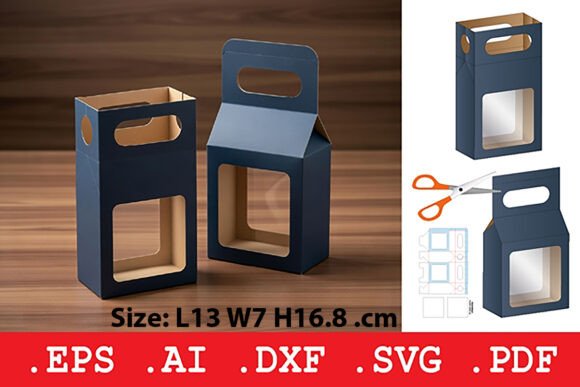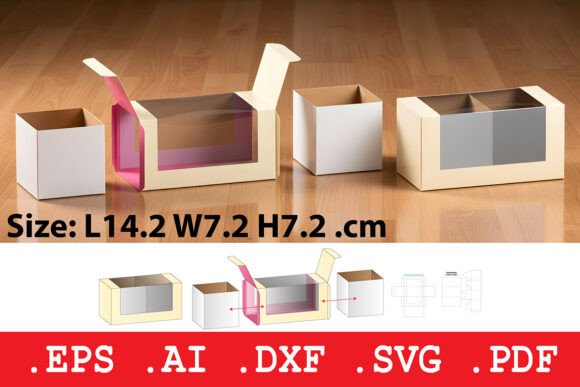
Rectangular Window Box with Divider: Enhancing Product Visibility and Organization
In the competitive landscape of retail packaging, the unboxing experience is often just as important as the product itself. For businesses and creators selling multiple items or delicate goods, finding a solution that balances aesthetic appeal with structural integrity is a constant challenge. The Rectangular Window Box with Divider addresses this specific need by combining high-visibility merchandising with internal organization. This packaging template is engineered to showcase products through large front and side windows while utilizing a built-in central divider to keep contents secure and separated. Whether you are packaging artisanal confectionery, luxury cosmetics, or premium stationery, understanding how to leverage this specific box style can significantly elevate your brand presentation and protect your inventory during transit.
Solving Common Packaging Challenges
Many small business owners and packaging designers face a distinct set of problems when moving from simple pouches or generic boxes to professional retail packaging. The primary challenge is often visibility versus protection. Standard opaque boxes protect items well but force customers to rely solely on external labeling. Conversely, open trays offer visibility but lack the security needed for shipping or shelf stacking. Furthermore, when packaging sets—such as a two-tone soap set or a pair of complementary candles—items often shift during transport, leading to scuffing, breakage, or a disorganized appearance upon arrival.
The Rectangular Window Box with Divider is designed specifically to mitigate these friction points. By integrating a central partition directly into the structural design, the box eliminates the need for separate, loose inserts that can be fiddly to assemble and expensive to source. The divider serves a dual purpose: it acts as a physical barrier to prevent product collision and provides lateral support to the box walls, increasing the overall crush resistance of the package. Simultaneously, the expansive window areas transform the packaging into a display case, allowing the texture, color, and quality of the product to serve as the primary marketing tool.
Optimizing Material Selection for Structural Integrity
Achieving the perfect balance between a crisp fold and a sturdy showcase requires careful material selection. This template is optimized for paper stocks ranging from 200 to 350 gsm. Understanding this weight range is crucial for successful implementation. Cardstock at the lower end of this spectrum (200–250 gsm) is ideal for lighter items like jewelry, tea bags, or single-layer stationery. It offers ease of folding and a refined, delicate feel that suits luxury boutique branding. However, for heavier items such as glass cosmetic jars, dense soaps, or metal tins, utilizing stock closer to 300–350 gsm is necessary to maintain the rectangular form factor without bowing.
Beyond weight, the grain direction of the paper plays a significant role in the final assembly. When cutting and folding a Rectangular Window Box with Divider, ensuring that the grain runs parallel to the main folds will result in cleaner creases and reduced risk of fiber cracking. Because this design includes designated areas for transparent plastic sheet insertion, users must also consider the thickness of their acetate or PET sheets. A sheet that is too thick may cause the window tabs to pop open, while one that is too thin may sag against the product. Testing prototypes with your specific material combination before mass production is an essential step in ensuring a premium finish.
Practical Applications Across Industries
The versatility of this packaging template makes it applicable across a wide variety of sectors. Each industry utilizes the divider and window features to solve unique merchandising needs.
- Confectionery and Bakery: For macarons, truffles, or biscotti, the divider prevents delicate items from crushing one another. The side windows allow customers to see the layers or textures of the treats from multiple angles on a crowded shelf.
- Cosmetics and Skincare: Bundling a day cream and night cream, or a lipstick and liner duo, requires separation to preserve the pristine condition of the containers. The window allows for color matching without opening the package, reducing handling damage in retail environments.
- Stationery and Art Supplies: Pen sets, marker duos, or wax seal kits benefit immensely from the organized layout. The rectangular profile stacks efficiently in drawers or display units, while the window highlights the craftsmanship of the tools inside.
- Jewelry and Accessories: Earring pairs or bracelet sets can be displayed flat and secure. The divider keeps chains from tangling and ensures that each piece remains in its designated zone for an immediate "wow" factor upon opening.
Assembly and Customization Workflow
Ease of assembly is a critical factor for fulfillment efficiency. This template utilizes straightforward glue-tab construction, which streamlines the packing process compared to complex interlocking designs that require manual dexterity and time. The designated insertion area for the transparent plastic sheet is integrated into the die-line, meaning the window film can be secured before the box is fully folded, trapping it neatly between layers for a seamless look without visible tape or adhesive marks on the exterior.
Customization is where this template truly shines for diverse users. The availability of multiple file formats ensures compatibility with various production methods. Users with access to CNC routers or laser cutters can utilize the .DXF files for precise, automated prototyping or short-run production. Crafters and small studios using digital cutting machines like Cricut or Silhouette will find the .SVG format indispensable for scoring and cutting custom sizes. For those sending designs to commercial print houses, the .EPS and .AI files provide the necessary vector data for offset printing, embossing, or foil stamping. Meanwhile, the .PDF serves as a universal reference for manual cutting or sharing proofs with clients.
Strategic Considerations for Implementation
When adopting the Rectangular Window Box with Divider, users should approach the design phase with a clear understanding of their end goals. If the primary objective is shelf impact, prioritize high-clarity window films and consider adding spot UV or foil stamping to the solid sections of the box to create contrast. If the goal is shipping durability, focus on the 350 gsm upper limit and ensure the divider tab slots are tight enough to withstand vibration during transit.
Different users will interact with this template differently based on their scale. A hobbyist might use the PDF to hand-cut a single prototype for a gift, valuing the accessibility of the format. A mid-sized brand might use the AI file to adjust the divider height to accommodate a new product line, leveraging the editable vectors to maintain brand consistency. An industrial manufacturer will rely on the DXF and EPS files to integrate the design directly into automated die-cutting workflows. Regardless of the scale, the core value remains the same: providing a professional, secure, and visually engaging vessel that enhances the perceived value of the contents.
Ultimately, successful packaging is about removing barriers between the customer and the product. By offering a clear view through generous windows and ensuring the product arrives in perfect condition via a robust divider system, this rectangular box template solves the practical logistics of retail while satisfying the emotional desire for a premium unboxing experience. Careful attention to material weights, assembly mechanics, and file preparation will ensure that your final packaging is not just a container, but a vital component of your product’s success.