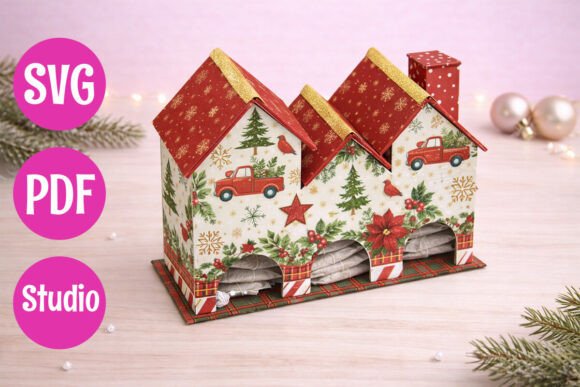
Cardboard Tea Storage House: A Practical Guide to Structural Organization
Organizing a tea collection often feels like a battle between accessibility and aesthetics. Loose sachets pile up in drawers, boxes get crushed at the back of the pantry, and the visual clutter on a countertop can detract from the calming ritual of brewing a cup. The Cardboard Tea Storage House offers a specific solution to this common domestic friction point. Unlike flimsy paper crafts or expensive wooden cabinetry, this project utilizes rigid cardboard or chipboard to create a structural organizer that is both durable and lightweight. It bridges the gap between functional storage and decorative home styling, providing a dedicated space for tea bags that actually holds its shape under daily use.
The distinction here is material integrity. When we discuss a Cardboard Tea Storage House, we are referring to a design engineered for pressed board or heavy-weight cardstock rather than standard corrugated shipping cardboard. This material choice ensures clean edges, precise slotting, and a finish that accepts paint, vinyl, or decoupage without warping. For makers and homeowners alike, understanding this structural requirement is the first step toward creating an organizer that survives the kitchen environment rather than becoming recycling after a week.
Why Rigid Materials Matter in Kitchen Organization
The kitchen is a high-traffic zone with fluctuating temperatures and humidity levels. Standard craft paper simply cannot withstand the weight of fifty tea sachets stacked vertically. Chipboard and pressboard provide the necessary density. When you download a template specifically designed for these materials, the cut lines account for the thickness of the board. This prevents the common frustration of slots that are too tight to assemble or tabs that snap off during construction.
Using rigid materials also transforms the perceived value of the object. A tea house made from substantial chipboard feels like a piece of furniture rather than a disposable container. This tactile quality matters when the item sits on an open shelf or a coffee station. It signals intentionality in your decor. For those using cutting machines like Cricut or Silhouette, selecting the correct material setting for chipboard ensures the blade penetrates fully without tearing, resulting in professional-grade joints that lock together securely without excessive glue.
Personal Use Cases: Taming the Countertop Chaos
For the everyday tea drinker, the primary benefit is spatial efficiency. Tea bags are awkward rectangles that do not stack well in standard bins. The house-shaped design utilizes vertical space, turning a sprawling mess into a compact footprint. Imagine a narrow corner beside your kettle where a wide bin wouldn't fit, but a tall, slender tea house slides in perfectly. This isn't just about tidiness; it is about workflow. When your Earl Grey and Chamomile are visible and separated by flavor profile within the house’s compartments, the decision-making process becomes seamless during your morning routine.
This organizer also serves as a preservation tool. Tea degrades when exposed to light, air, and moisture. While a cardboard house isn't hermetic, it provides a significant barrier compared to leaving bags in their original open sleeves. By consolidating loose sachets into a structured enclosure, you reduce surface area exposure and keep flavors distinct. For enthusiasts who buy artisanal teas in bulk packaging, transferring them to a labeled Cardboard Tea Storage House maintains freshness while upgrading the presentation.
Creative and Commercial Applications
Beyond personal organization, this template opens doors for creators and small business owners. Etsy sellers and market vendors frequently look for low-cost, high-margin items that ship flat. Because this design relies on interlocking slots rather than permanent adhesive assembly, it can be sold as a flat-pack kit. Customers receive the precision-cut pieces and assemble them at home, which drastically reduces shipping costs and storage requirements for the seller. The "house" aesthetic taps into the cottagecore and cozy home trends that drive significant engagement on social media platforms.
Educators and workshop leaders also find utility in this project. It serves as an excellent introduction to structural engineering and material science for older students or adult learners. Unlike simple gluing projects, working with chipboard requires understanding grain direction, tolerance, and mechanical fastening. A tea house workshop teaches participants how to translate 2D digital files into 3D functional objects. For corporate gifting or real estate closing gifts, a customized tea storage house branded with a logo or personalized message offers a memorable, useful alternative to generic mugs or keychains. It associates the brand with warmth, hospitality, and thoughtful design.
Key Considerations Before Starting Your Project
Success with a Cardboard Tea Storage House depends on matching the file specifications to your physical resources. Before downloading or cutting, verify the material thickness supported by the template. A file calibrated for 1mm chipboard will fail catastrophically if used with 2mm board. Measure your calipers carefully. If you are hand-cutting from a PDF, ensure you have a fresh blade and a metal ruler; dull tools crush chipboard fibers, leading to frayed edges that compromise structural stability.
Consider the dimensions of your specific tea inventory. Not all sachets are created equal; pyramid bags require different clearance than flat rectangular ones. Review the internal compartment measurements in the template description against your preferred tea brands. Customization is one of the advantages of digital files, but it requires upfront planning. Modifying a vector file in software like Illustrator or Inkscape allows you to adjust slot widths or shelf heights, but doing so alters the structural balance. Test cuts on scrap material are non-negotiable when making adjustments.
Assembly environment matters. Chipboard absorbs moisture rapidly. Working in a humid garage versus a climate-controlled room affects how glue sets and how snug the slots remain. PVA glue works best for porous chipboard, but clamping or weighting the piece during drying prevents bowing. For users intending to paint or seal the finished house, apply primer before assembly. Coating flat pieces is infinitely easier than trying to brush paint into interior corners of a constructed box. Sealing is particularly important for kitchen use to protect against steam and accidental splashes.
Digital Compatibility and Workflow Integration
The versatility of this project lies in its multi-format availability. SVG files integrate directly with Cricut Design Space and Silhouette Studio, allowing for immediate cutting without tracing. However, users should understand layer management. Structural projects often separate score lines from cut lines. Ensure your software recognizes score layers as such; otherwise, the machine may attempt to cut through fold lines instead of merely creasing them. Proper scoring is what gives the tea house its crisp, architectural appearance rather than a rounded, organic look.
For those without cutting machines, the PDF option democratizes access. Hand-cutting chipboard is labor-intensive but rewarding. Print the template at 100% scale—never "fit to page"—and adhere it temporarily to the board using repositionable spray adhesive or painter's tape. This acts as both guide and stabilizer. After cutting, peel away the paper template. This analog approach connects the maker directly to the material properties, fostering a deeper appreciation for the structural logic of the Cardboard Tea Storage House.
Ultimately, this organizer represents a convergence of digital fabrication and traditional domestic craft. It solves a tangible problem with a customizable, scalable solution. Whether you are streamlining your own morning ritual, launching a new product line, or teaching structural design principles, the tea house template provides a reliable foundation. By respecting material constraints and focusing on real-world functionality, you transform a simple digital file into a lasting element of organized living.